Certified Tree Insect & Disease Management Across Our Service Area
Catching a pest or pathogen early is often the difference between saving a tree and losing it, yet most insect and disease problems go unnoticed until the damage is advanced. High N Tight Yards treats every diagnosis as a biological puzzle, drawing on ISA (International Society of Arboriculture) certification number 305031 and TRAQ-qualified risk assessment to pin down exactly what’s attacking a tree and how to stop it. For homeowners and businesses throughout Freestone, Navarro, and Ellis counties, that means your treatment plan starts with a real diagnosis from a trained arborist, not a guess made from the driveway.
Why Early Detection Makes All the Difference
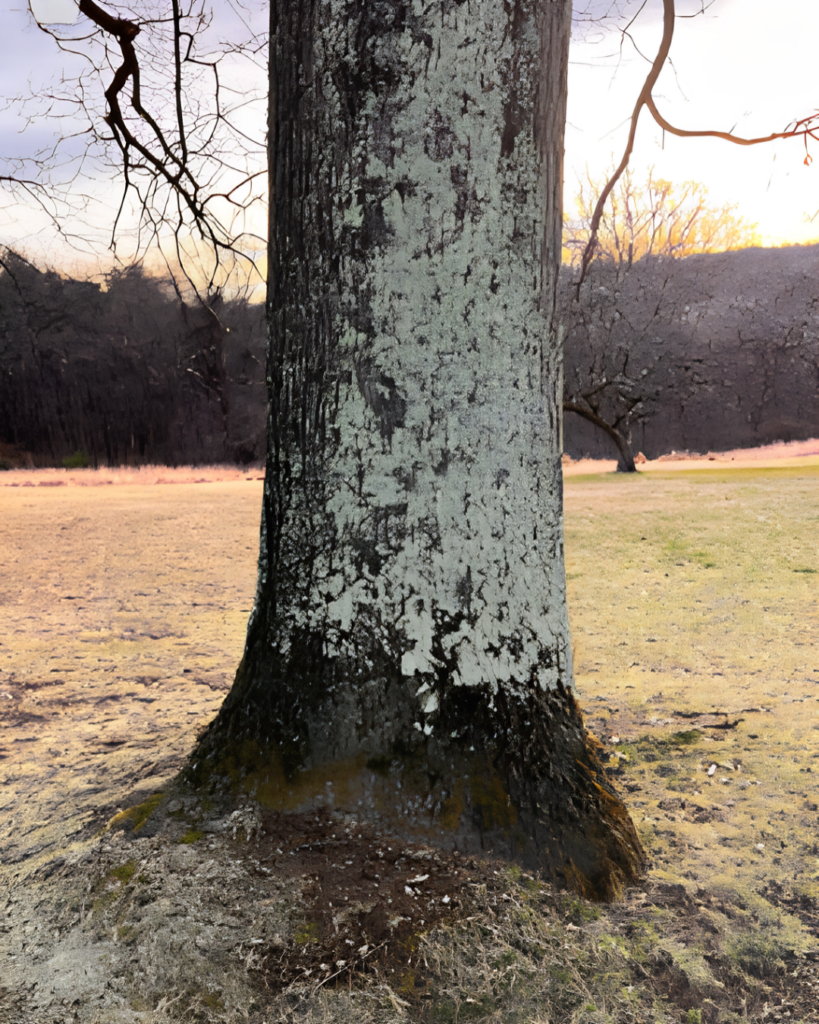
By the time a tree shows obvious symptoms, dropping leaves, oozing bark, dead branches at the top, the underlying problem has often been developing for months or years. Our approach to insect and disease management begins with identification: distinguishing between boring insects, fungal infections, bacterial disease, and environmental stress that merely looks like disease. Pinpointing the actual cause lets us match the response to the problem, whether that's targeted treatment, cultural changes, or in some cases removal of a tree that's already beyond saving and poses a risk to what's around it.
Diagnosing Insect Infestations in Trees
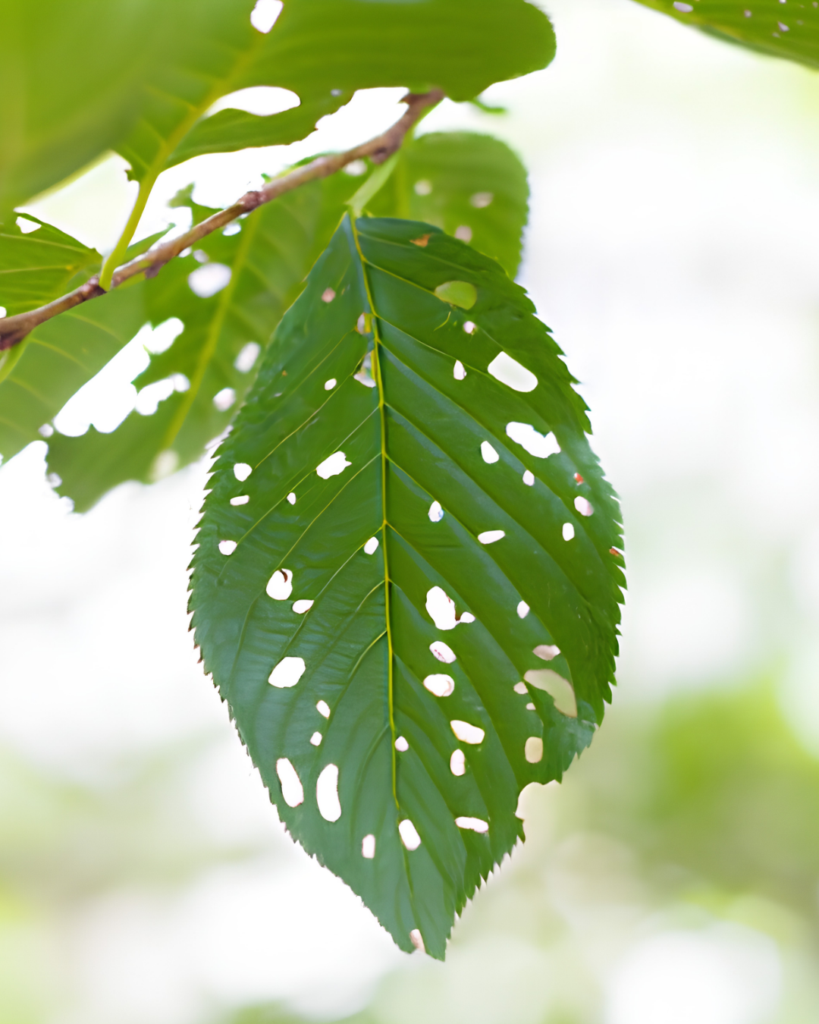
One of the most important parts of insect and disease management is correctly identifying what's feeding on or inside a tree. Boring insects, scale, aphids, and defoliators each leave different signs and call for different responses, and misreading those clues wastes time a declining tree may not have. We examine bark, foliage, branch structure, and the surrounding soil to determine not just which pest is present, but why the tree became vulnerable in the first place, since a stressed tree invites problems a healthy one would shrug off.
Treating Tree Diseases and Fungal Infections
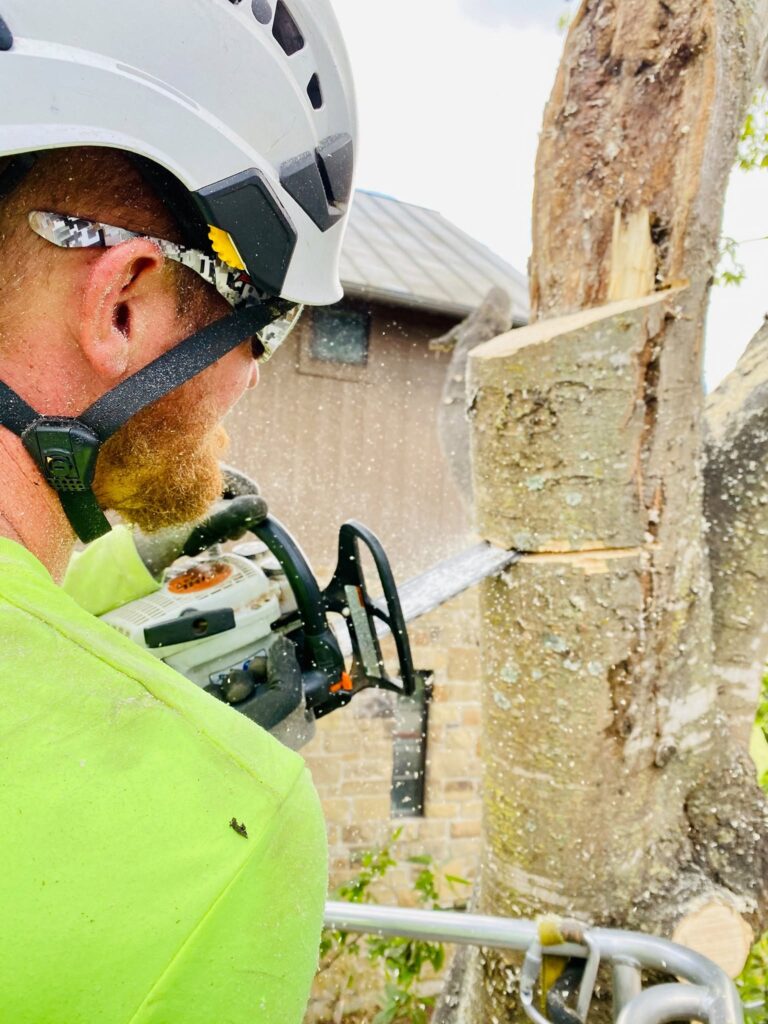
Fungal and bacterial diseases can spread quickly through a canopy or root system, and many are driven or worsened by conditions like poor drainage, overcrowding, or wounds left from improper pruning. Our disease management combines accurate identification with practical correction, removing infected material where appropriate, improving airflow and site conditions, and addressing the stressors that let the disease take hold. For properties across our service area that deal with humid stretches and storm damage, staying ahead of fungal issues protects not just one tree but the others around it.
Pairing Treatment With Overall Tree Health
Insect and disease management rarely works in isolation, it's most effective as one part of a broader plant health care plan that also addresses soil, nutrition, and structure. A tree fighting off a pest while also starved for nutrients has little in reserve to recover, which is why our recommendations often fold in deep root fertilization and soil improvements from our Health & Preservation side. Treating the symptom without supporting the whole tree only buys time; addressing both gives the tree a real chance to bounce back.
Timing Treatments for the Best Results
With pests and pathogens, timing is everything. Many insects are only vulnerable to treatment during specific life stages, and certain diseases are best managed before the growing season rather than after symptoms appear. Our team factors in the species, the particular problem, and the season to recommend when intervention will do the most good, instead of applying a blanket schedule that ignores how a specific pest or disease actually behaves.
Protecting the Trees You Still Have
When one tree on a property is infested or infected, the trees nearby are often at risk too, since many pests and pathogens spread through shared root zones, wind, or insect carriers. Proactive insect and disease management isn’t only about rescuing a single declining tree, it’s about protecting the surrounding landscape investment. We look at the property as a whole, flagging vulnerable trees, recommending preventive steps, and helping you avoid a slow-moving problem that quietly works its way across your yard.
Residential and Commercial Tree Health Care
Most of our insect and disease work supports homeowners protecting mature shade trees and established landscaping, but we also serve commercial properties throughout Corsicana, Streetman, Fairfield, Kerens, Wortham, Teague, Ennis, all of Ellis County, and the 45-mile radius surrounding our Streetman base. Commercial sites often carry added concerns around liability and the health of trees near parking areas and building access, and our certified, diagnosis-first approach accounts for those needs alongside the biology of the tree itself.
How Tree Health Assessments Work
Every insect and disease management project begins with an in-person assessment, where we evaluate the tree's symptoms, overall condition, and any risk it may pose before laying out a plan. You decide what to prioritize, whether that's an active infestation, a spreading disease, or preventive protection for valuable trees, and pricing is itemized so the plan reflects your goals. Once you approve it, we handle the insurance and liability paperwork and schedule the work, usually within one to three weeks, with payment due only once you're satisfied with the results.
Schedule Tree Insect & Disease Management Today
Whether you’re facing an active infestation, a disease you can’t identify, or you simply want to protect a valued tree before trouble starts, High N Tight Yards brings certified, ISA-trained diagnostic expertise to properties across Corsicana, Streetman, and the surrounding counties. Call (859) 250-9327 or email support@highntightyards.com to schedule your in-person assessment today.